
29 Books Every Artist Needs on Their Bookshelf | Drawing, Painting & Creativity

Updated: Sep 28
29 Books Every Artist Needs on Their Bookshelf | Best Books Every Artist Needs on Their Bookshelf | Best books for artist | Best inspiration art books | Resources for the self-taught artist
29 Books Every Artist Needs on Their Bookshelf
I’ve always felt that an artist’s bookshelf is a little like their studio. It slowly fills up with things that inspire them, teach them something, change the way they see, or simply make them want to pick up a pencil and start creating.
Some books teach you how to draw, paint, understand colour, or build a stronger composition. Others take you through the history of art or introduce you to artists whose work you might never have discovered otherwise. And then there are books that have very little to do with technique but can completely change the way you think about creativity.
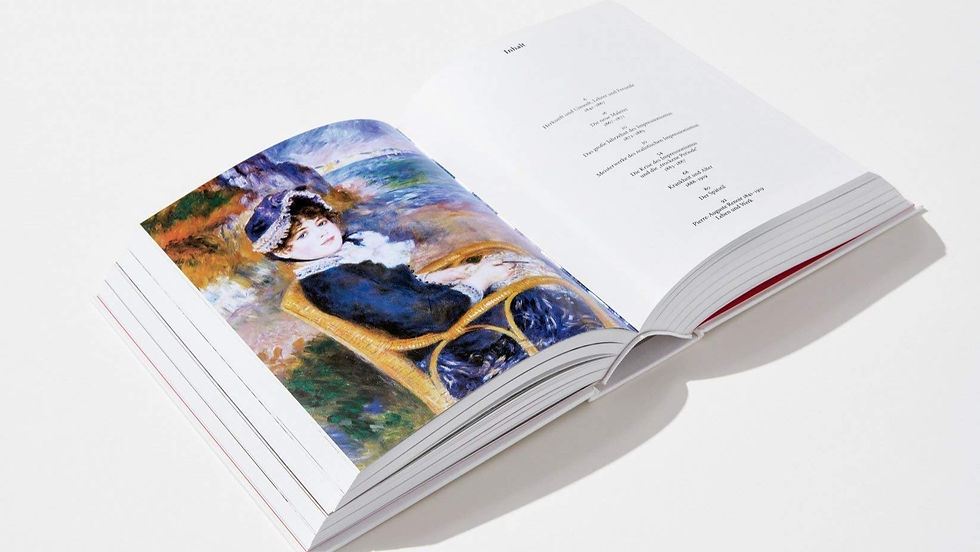
As an artist, I’ve realised that improving your work isn’t only about practising for more hours. It is also about looking, reading, observing, thinking, and staying curious. The more you expose yourself to different ideas, images, techniques and ways of seeing, the more material you have to bring into your own creative practice.
So this isn't simply a list of books you are supposed to buy because someone called them “essential.” I wanted to put together a bookshelf that covers different parts of an artist's life—from learning the fundamentals and understanding colour to studying master artists, developing imagination, finding inspiration and figuring out what it actually means to build a creative career.
You certainly don't need all of these. Some may be much more useful to you than others depending on what you paint, draw, illustrate or simply want to learn.
Here are 29 books I think are worth knowing about if you are an artist, illustrator, art student, or simply someone who wants to understand art a little more deeply.
Let's start with something that affects almost every visual artist: colour.
The Complete Color Harmony is the kind of book I would keep close to my painting table because colour can be both exciting and surprisingly difficult. You may know which colours you like individually, but putting them together in an artwork is a completely different thing.
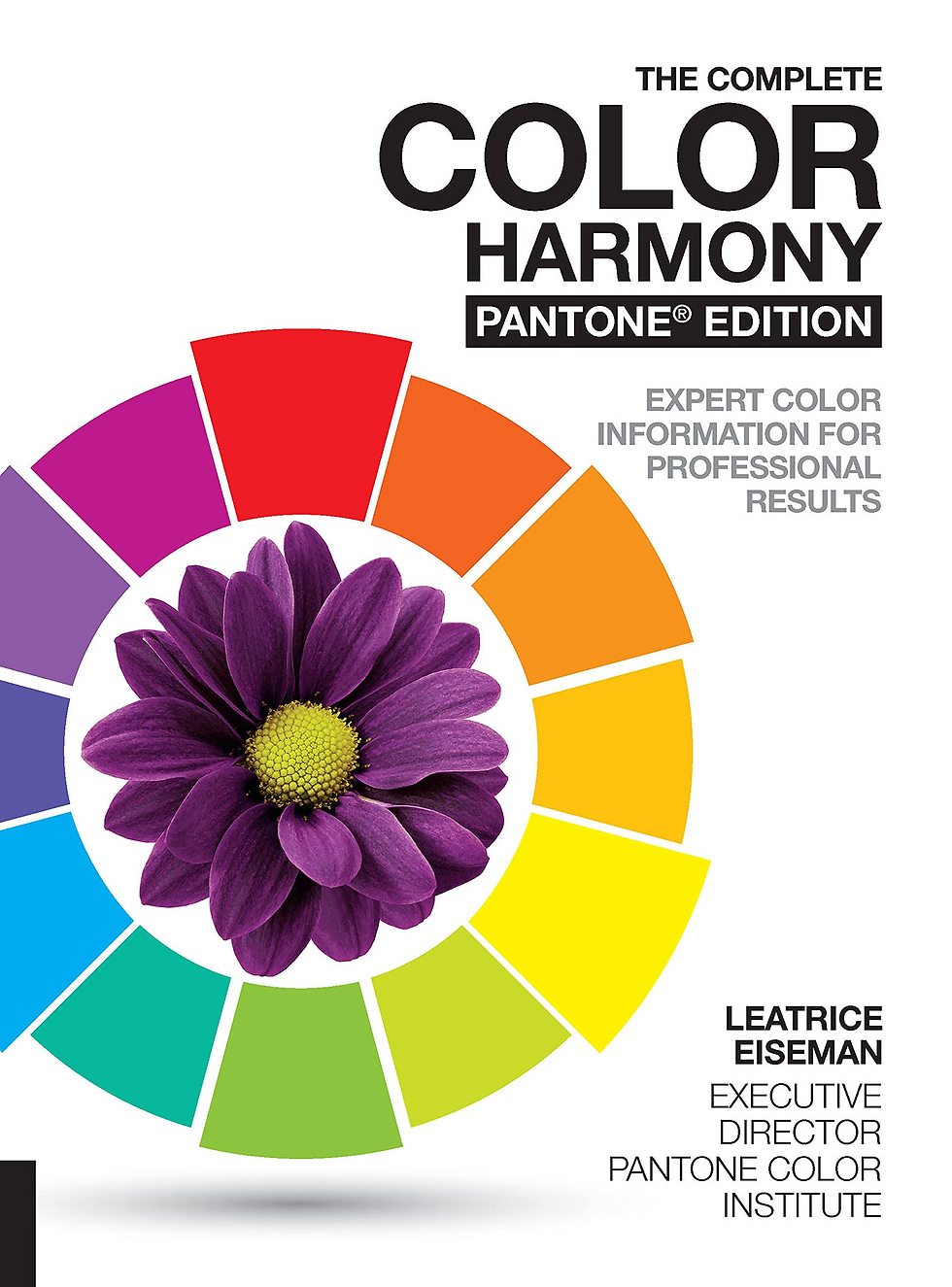
This book is useful for understanding colour relationships, combinations, contrast and harmony. Rather than treating colour as something you simply “feel,” it gives you a way to study it and make more intentional choices.
What to expect: colour combinations, palettes, colour relationships and practical visual references.
Who should get it: painters, illustrators, designers, students and anyone who often finds themselves staring at their palette thinking, “Something is missing, but I don't know what.”
For me, books like this are most useful when you don't read them once and put them away. Keep them nearby, look through them when you're stuck, and let the examples influence your experiments.
Once you start paying attention to colour, you naturally start wondering about where those colours came from and why certain colours mean so much to different cultures and periods of history.

That is what makes The Secret Lives of Color such an interesting book for artists.
It isn't a traditional art instruction book. Instead, it explores the fascinating histories, cultural associations and stories behind different colours. You learn that colour isn't simply something we see—it can carry history, symbolism, politics, technology and emotion.
What to expect: fascinating stories about individual colours and the roles they have played throughout history.
Who should get it: artists who love colour, art-history lovers, illustrators, designers, writers and anyone who enjoys learning the stories behind ordinary things.
I particularly like this kind of book because it gives you something that a painting tutorial can't: context. The next time you choose a colour, you may find yourself thinking about it a little differently.
If you want to understand art beyond individual techniques, The Story of Art is a book worth knowing.

Rather than concentrating on one artist, movement or period, it gives you a broad journey through the history of art. It helps you see how artistic ideas developed, changed and reacted to one another over time.
This is especially valuable when you're still trying to understand where different styles came from. Impressionism, Renaissance painting, modern art and other movements stop feeling like isolated chapters and start becoming part of a much larger story.
What to expect: an accessible overview of art history, major movements and important artists.
Who should get it: beginners, art students and artists who feel that their knowledge of art history has a few gaps.
You don't have to read it like a textbook. You can open it at different points, study the artwork and follow whichever artist or movement catches your attention.
There is something particularly interesting about looking at how artists choose to represent themselves.

Seeing Ourselves: Women's Self-Portraits brings together self-portraits by women artists and gives you an opportunity to look at the self-portrait not simply as a study of someone's face, but as a statement about identity, perception and the artist herself.
What to expect: a visual exploration of women's self-portraiture across different artists and periods.
Who should get it: artists interested in portraiture, art history, identity, visual storytelling or the history of women in art.
Even if you never paint portraits yourself, studying self-portraits can teach you a lot about composition, expression, symbolism and the decisions an artist makes about how they want to be seen.
Sometimes the biggest problem isn't knowing how to paint. It's actually sitting down and painting.

Daily Painting focuses on the idea of making smaller paintings regularly instead of waiting for the perfect amount of time, the perfect idea or the perfect project.
That idea can be surprisingly helpful for artists who become overwhelmed by large paintings or spend too much time planning what they are going to make.
What to expect: practical encouragement around painting regularly, working small and developing a sustainable creative practice.
Who should get it: painters who struggle with consistency, artists returning to painting after a break, beginners, and anyone who wants to make creating a more regular part of their life.
For me, the bigger lesson behind this kind of approach is simple: you don't have to make every artwork important. Sometimes you just need to make the next one.
One of the most useful skills an artist can develop is the ability to draw something that isn't sitting in front of them.

Keys to Drawing with Imagination focuses on exactly that—using observation, visual knowledge and imagination together to create things that don't necessarily exist in real life.
What to expect: ideas and exercises for developing imaginative drawing, visualising forms and turning mental images into artwork.
Who should get it: concept artists, illustrators, character artists, painters and anyone who has ever had an image in their head that they couldn't quite get onto paper.
This is particularly useful if your artwork involves fantasy, storytelling or invented environments. Imagination becomes much easier to communicate when it is supported by a strong understanding of form.
If illustration interests you, Creative Illustration is one of those substantial reference books that can give you a lot to explore.

It covers far more than simply “how to draw.” It gets into composition, storytelling, design, technique and the visual decisions that help an illustration communicate an idea.
What to expect: a broad look at illustration principles, visual storytelling and practical approaches to creating images.
Who should get it: illustrators, aspiring illustrators, artists interested in visual storytelling and anyone who wants to understand how an image communicates beyond realistic representation.
What I like about books like this is that they make you think about the purpose of an image. A technically beautiful drawing can still feel empty if you don't know what you are trying to communicate.
Sometimes the best way to learn illustration is simply to look at a lot of it.

This book takes you into the work of illustrators from what is often considered the Golden Age of Illustration. It is full of visual references and gives you an opportunity to study how artists from another era approached composition, storytelling, characters and detail.
What to expect: a large collection of historical illustration work and an introduction to artists from the period.
Who should get it: illustrators, artists interested in historical illustration, collectors of art books and anyone who enjoys studying older visual styles.
I would treat this less like a book you need to “finish” and more like a visual library. Open a random page and study it. Ask yourself what immediately catches your eye and why.
Colour becomes much more interesting when you understand the role of light.
Color and Light looks at how light affects colour, form and atmosphere—things that can completely change the appearance of a subject.

What to expect: discussions of light, colour, atmosphere, materials and the way these elements interact in realistic painting.
Who should get it: painters who want to understand colour more deeply, especially artists working with realism, landscapes, environments or representational painting.
This is one of those books that can make you look at ordinary things differently. A white object isn't always simply white. A shadow isn't simply a darker version of the local colour. Once you start noticing those differences, your paintings can become much more convincing.
This is a particularly interesting one for artists who want to create imaginary worlds while still making them feel believable.

Imaginative Realism explores how an artist can combine imagination with an understanding of realistic form, light, anatomy, environments and visual observation.
What to expect: practical ideas for creating believable subjects and scenes that don't exist in the real world.
Who should get it: fantasy artists, illustrators, concept artists, imaginative painters and anyone who wants to paint something they have invented.
This is a good reminder that imagination and realism aren't opposites. Sometimes the more you understand the real world, the more convincingly you can create something that doesn't exist.
Faces can change completely with a small shift in the eyes, eyebrows, mouth or head position.

Facial Expressions: A Visual Reference for Artists is useful when you want to study those changes instead of relying on the same neutral expression every time.
What to expect: visual references for different facial expressions and emotional states.
Who should get it: illustrators, character artists, animators, comic artists and anyone who draws people.
A reference book like this is especially helpful when you're developing characters. Instead of thinking, “How do I draw a sad face?” you can study the physical changes that communicate sadness and then adapt them to your own style.
Anatomy can feel intimidating, but you don't need to become a medical student to benefit from studying it.
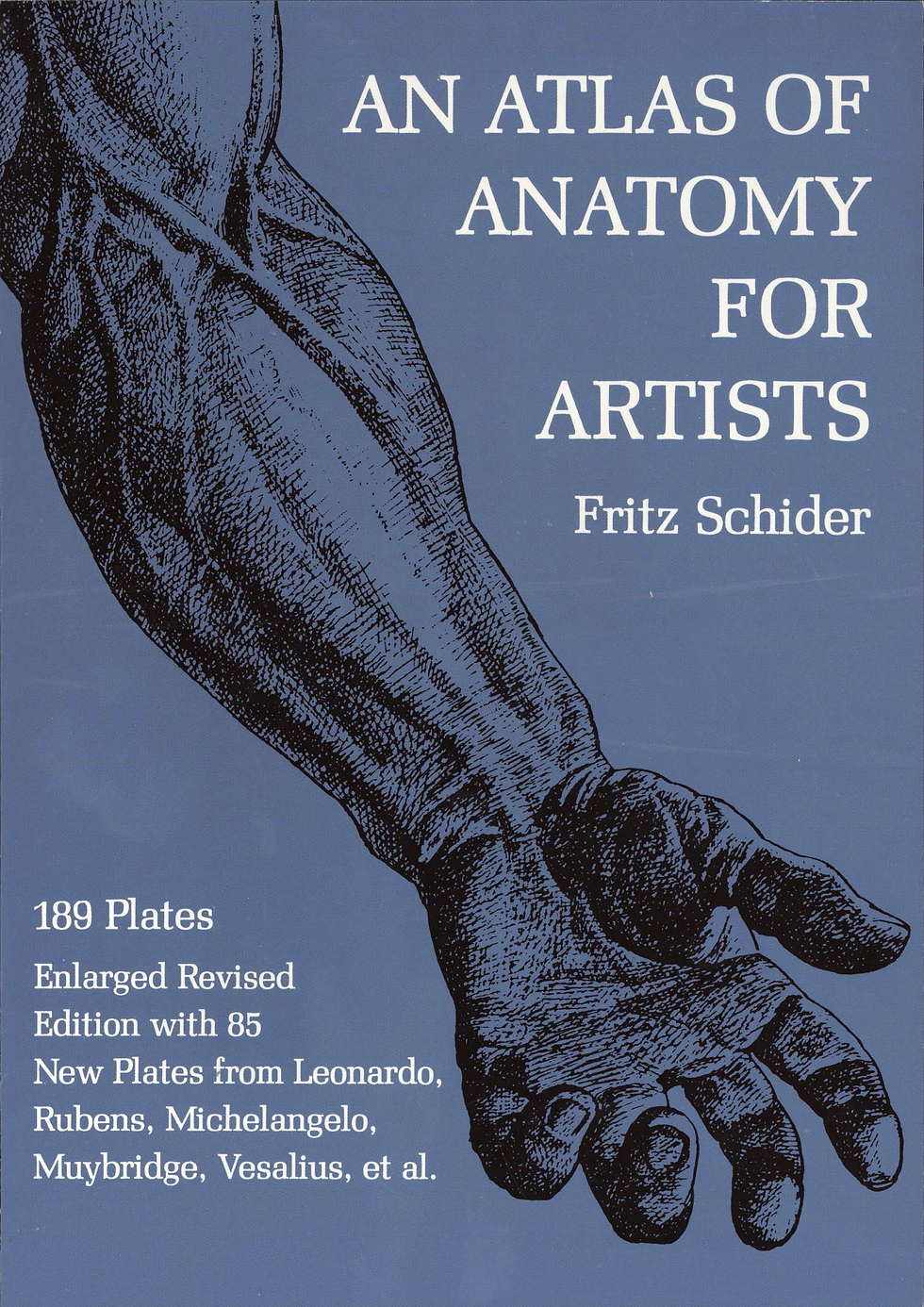
An Atlas of Anatomy for Artists provides visual information that helps artists understand the human body beneath the surface.
What to expect: anatomical references designed with artists in mind, including bones, muscles and body structures.
Who should get it: figure artists, portrait artists, illustrators, animators and students learning to draw the human body.
Even stylised artists benefit from anatomy. You don't have to draw every muscle accurately in your final work, but understanding what is happening underneath makes it much easier to bend, simplify or exaggerate the figure intentionally.
Children aren't simply smaller adults. Their proportions, features and expressions change dramatically as they grow.
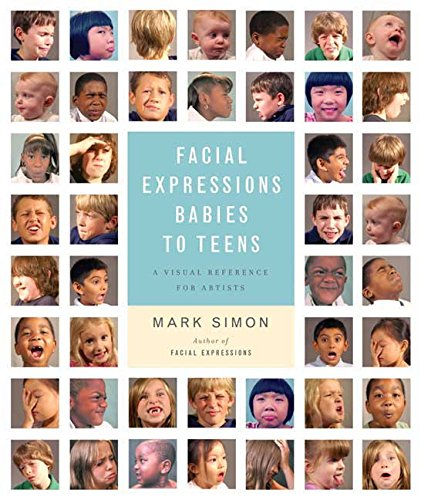
Facial Expressions: Babies to Teens is therefore a useful reference for artists who want to draw younger characters convincingly.
What to expect: visual references showing facial expressions and developmental changes from infancy through the teenage years.
Who should get it: children's illustrators, character artists, animators, comic artists and anyone who regularly draws young people.
This is the sort of reference that becomes particularly useful when you're working on a specific character or illustration and need to get the age and expression right rather than relying entirely on memory.
Not every art book on your shelf needs to teach you how to paint.
Some should simply give you the opportunity to look at great paintings.

Monet and Chicago focuses on Claude Monet and his relationship with Chicago and presents his work in the context of the city's connection with Impressionism.
What to expect: paintings, historical context and a closer look at Monet's work and its relationship to Chicago.
Who should get it: Impressionism lovers, painters, art-history enthusiasts and anyone who enjoys studying master paintings.
Books like this remind me why art books are valuable even when you already know how to paint. Sometimes you learn simply by looking closely at how another artist handled light, colour, atmosphere and composition.
If you're learning to paint or draw people, Faces and Figures can be a practical reference to keep around.

The human figure is one of those subjects where understanding proportion, structure and placement makes a huge difference. A reference book gives you something to return to when your own observation isn't enough.
What to expect: guidance and visual references for drawing and painting faces and figures.
Who should get it: beginners, art students, portrait artists and anyone who wants more confidence drawing people.
You don't have to copy the examples exactly. Use them to understand what is happening, then bring that knowledge into your own style.
There are so many artists in art history that we can go years without encountering their work.

Icons of Women Artists is a useful reminder to expand that list.
The book introduces women artists and their work, giving you the chance to discover different artistic practices, periods and visual languages.
What to expect: an accessible introduction to women artists and examples of their work.
Who should get it: artists who want to broaden their art-history knowledge, students, collectors and anyone interested in discovering artists beyond the names they already know.
For an artist, discovering another artist can sometimes be the beginning of a whole new rabbit hole—one book leads to another, then an exhibition, then an interview, and suddenly you've found an artist whose work stays with you.
George Bridgman is one of those names that appears again and again when artists talk about figure drawing.

Bridgman's Complete Guide to Drawing from Life focuses on understanding the human figure through structure, movement and simplified forms.
What to expect: figure-drawing instruction, anatomical construction and studies of the human body.
Who should get it: serious beginners, figure-drawing students, illustrators and artists who want to strengthen their understanding of the human form.
Bridgman's approach can feel different from simply copying a photograph. It encourages you to think about the figure as a constructed form, which can be particularly valuable once you want to draw from imagination.
Camille Pissarro is an important figure to study if you are interested in Impressionism and the development of modern painting.

A good monograph on Pissarro gives you something that a small reproduction on a screen can't quite provide: the opportunity to spend time with his paintings as a body of work.
What to expect: reproductions of Pissarro's work alongside information about his career and artistic development.
Who should get it: painters, Impressionism enthusiasts, landscape artists and anyone interested in studying how an artist's style changes over time.
When I study an artist through a full book rather than looking at one famous painting online, I find it easier to notice the less obvious things—the paintings that aren't usually the ones appearing in social-media posts.
Making illustrations and building a career from illustration are two different things.
How to Be an Illustrator moves beyond drawing skills and looks at the professional side of the field.

What to expect: practical information about working as an illustrator, developing your professional practice and navigating the business side of illustration.
Who should get it: aspiring illustrators, art students and artists who are thinking about turning illustration into a profession.
This is important because creative careers require more than creative ability. You also need to understand how to communicate with clients, present your work, develop a portfolio and think about your career as a business.
If anatomy is an area you want to explore seriously, Anatomy for the Artist is another useful reference to have on hand.

Rather than treating anatomy as something separate from drawing, it helps connect what you see on the outside with the structures underneath.
What to expect: detailed anatomical studies presented specifically for artists.
Who should get it: figure artists, portrait artists, illustrators, art students and anyone who wants a stronger understanding of the human body.
I wouldn't recommend trying to memorise the entire book. Use it when you need it. Study the part of the body you're currently struggling with, draw it, then come back to it later.
If you love Impressionism, having a good overview book on the movement is a wonderful addition to an artist's bookshelf.

Rather than focusing on only one painter, a book on Impressionism allows you to see the movement as a whole and compare different approaches to colour, light, atmosphere and everyday subjects.
What to expect: paintings, artists, historical context and an overview of Impressionism.
Who should get it: painters, beginners exploring art history and anyone interested in understanding how Impressionism changed painting.
And if you paint today, studying Impressionism can be particularly interesting because many of the questions those artists explored—light, colour, perception and everyday life—are still relevant to contemporary painters.
This is one for artists who want to think more deeply about why a painting works, rather than only how it was made.

Painting as a Language looks at painting through material, technique, form and content. In other words, it encourages you to think about the different visual decisions that make up an artwork and how those decisions communicate.
What to expect: a more conceptual look at painting and the relationship between technique, materials, form and meaning.
Who should get it: painters who want to develop their artistic thinking, art students and anyone interested in understanding painting beyond technique.
This is the kind of book I would read slowly. You may not agree with every idea, and that's actually part of its value. Good art books should sometimes make you stop and question your own assumptions.
If you're interested in direct painting, especially alla prima painting, Alla Prima II is worth exploring.

The book focuses on painting directly and making decisions efficiently rather than endlessly building up layers. It also offers insight into the thinking and practical choices behind the process.
What to expect: demonstrations, painting principles, colour and process, with a strong emphasis on direct painting.
Who should get it: painters interested in alla prima, oil painters and artists who want to become more decisive with their painting process.
One thing I appreciate about books like this is that they can help you understand that painting isn't always about adding more. Sometimes a stronger painting comes from knowing what to leave alone.
Artists often look for inspiration in places they don't initially consider “art references.”
The World of Ornament is a great example because ornament can teach you an enormous amount about pattern, repetition, symmetry, decoration and visual rhythm.

What to expect: a wide collection of ornamental designs and decorative motifs.
Who should get it: illustrators, pattern designers, surface designers, painters, textile artists and anyone interested in decorative art.
If you enjoy creating patterns or incorporating decorative elements into your work, this can become a wonderful visual reference. Even if you don't copy anything directly, studying how shapes repeat and interact can give you new ideas for your own compositions.
Botanical illustration sits somewhere between scientific observation and artistic interpretation, which makes it particularly fascinating for artists.
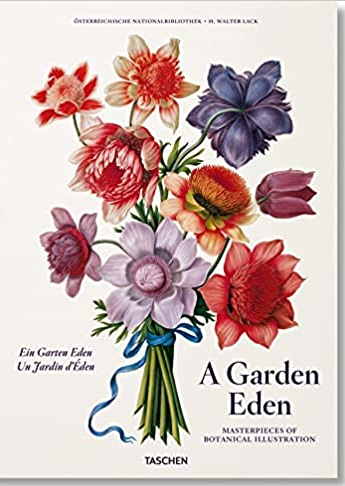
A Garden Eden brings together examples of botanical illustration and allows you to study how artists have observed plants with incredible precision and care.
What to expect: beautiful botanical artwork and an introduction to the tradition of botanical illustration.
Who should get it: nature lovers, botanical artists, illustrators, painters and anyone who enjoys studying plants and natural forms.
You don't have to be a botanical illustrator to learn from it. Leaves, flowers, stems and seed pods are wonderful subjects for studying shape, structure, repetition and subtle colour changes.
John Singer Sargent is one of those artists whose paintings can make you stop scrolling and actually look.

Sargent: Portraits of Artists and Friends focuses on his portraits of people from his own circle and gives you an opportunity to study his handling of personality, pose, clothing, light and paint.
What to expect: a collection of Sargent's portraits alongside context about the people and relationships behind them.
Who should get it: portrait painters, figure artists, art students and anyone interested in Sargent's work.
What makes studying artists like Sargent so useful is that you start noticing the decisions behind the apparent simplicity. A portrait can look effortless while actually involving incredibly thoughtful choices about what to include and what to leave out.
Gustav Klimt is an artist worth studying if you're interested in decorative composition, symbolism, pattern and the relationship between figure and ornament.

A Klimt monograph lets you see those qualities across a larger body of his work instead of encountering only The Kiss again and again.
What to expect: reproductions of Klimt's paintings and an overview of his artistic work and visual language.
Who should get it: painters, illustrators, pattern lovers, decorative artists and anyone interested in symbolism and ornamental design.

For me, the interesting part of studying an artist like Klimt isn't trying to paint like Klimt. It's noticing what he was willing to combine—figures, patterns, gold, symbolism, flat areas and decorative details—and then thinking about what that might teach you about your own visual language.
And finally, I wanted to include one book that isn't really about learning how to draw or paint at all.
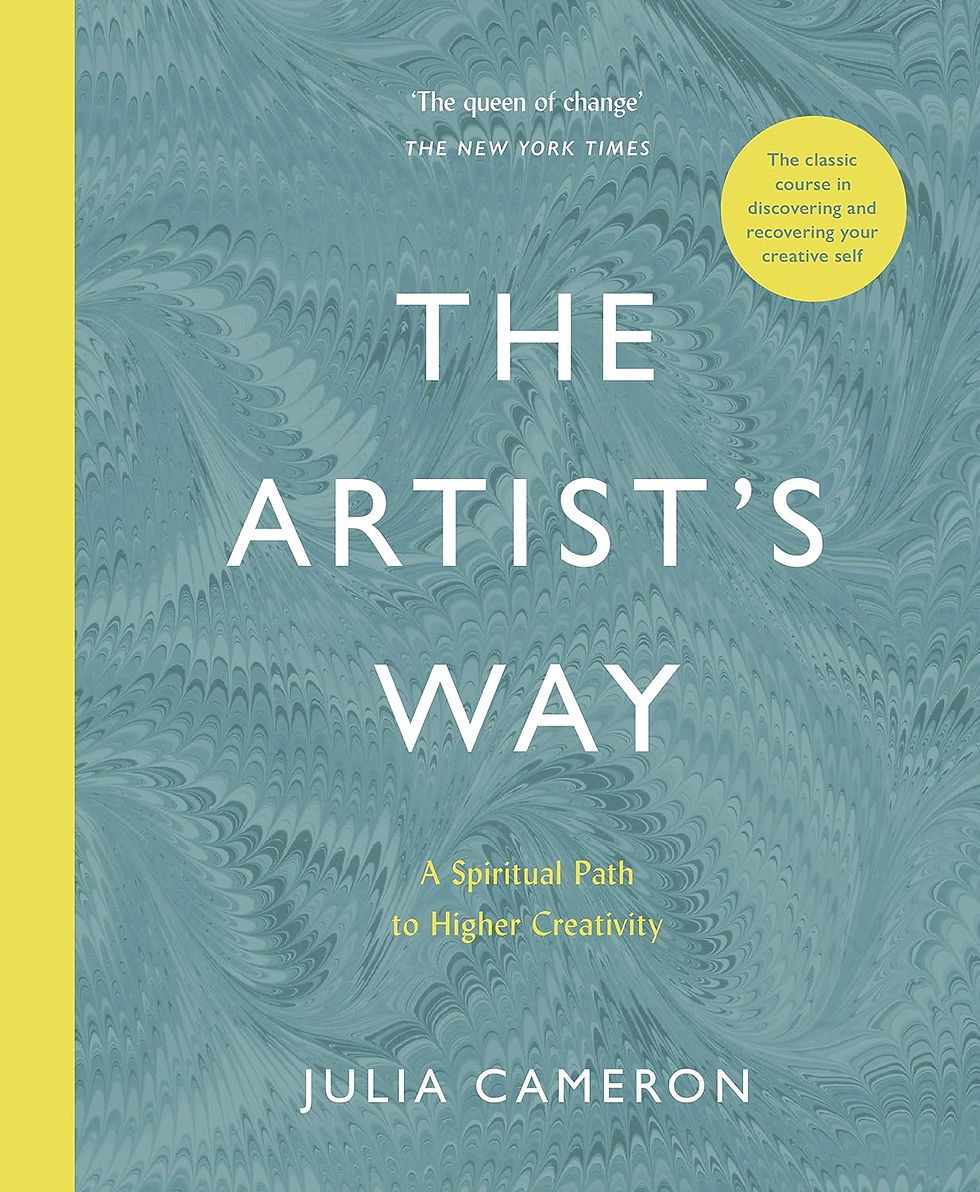
The Artist's Way is about creativity itself and the mental habits that can either support or get in the way of making art.
It encourages regular creative practice, reflection and making space for your creative life. That makes it very different from most of the technical books on this list.
What to expect: creative exercises, reflection and a structured approach to reconnecting with your creativity.
Who should get it: artists who feel creatively stuck, people returning to art after years away, beginners who don't know where to start, and anyone who feels that their creative life has become buried underneath everyday responsibilities.
I think this belongs on an artist's bookshelf because being an artist isn't only about knowing how to make something. Sometimes the harder part is giving yourself permission to make it at all.
After all the books about colour, anatomy, painting, art history and technique, I wanted to end this list with a book about something a little harder to define: how we actually develop our own creative ideas.

Steal Like an Artist by Austin Kleon is a short, visual and very approachable book about creativity, influence and making things. One of its most useful ideas is that artists don't create in isolation. We observe, collect, study, borrow ideas, make connections and transform what we've discovered into something of our own.
That doesn't mean copying another artist's work. It means paying attention to the things that influence you and understanding that your creative voice develops through everything you choose to look at, read, experience and make.
What to expect: short chapters, illustrations, practical ideas about creativity, and plenty of reminders about making work instead of waiting for the perfect idea.
Who should get it: beginners, artists who feel stuck, creatives who are worried that their work isn't original enough, and anyone trying to figure out what their own artistic voice looks like.
I think this is a particularly good book to pick up when you're overthinking your creativity. You don't need to have a completely original idea that has never existed before. You need to learn how to take what inspires you, understand why it speaks to you, and gradually turn those influences into something that feels like you.
And perhaps that's a good place to end this bookshelf: after learning from other artists, looking at their work, studying their techniques and filling your head with new ideas, you eventually have to close the books and make something of your own.
You Don't Need All 29
One last thing before you start filling your cart: please don't feel like you need to own every book on this list.
A good artist's bookshelf isn't necessarily the one with the most books. It is the one with the books you actually return to.
If you're learning colour, start with the colour books. If you're struggling with drawing people, choose an anatomy or figure-drawing reference. If you're trying to understand art history, begin there. If you're feeling creatively stuck, perhaps you don't need another technical manual—you might need something that helps you reconnect with the reason you started making art in the first place.
And don't underestimate the value of art books that simply make you stop and look.
Sometimes you learn a new technique. Sometimes you discover an artist you've never heard of. Sometimes you find a painting that stays in your head for weeks.
And sometimes, you close the book, walk back to your studio and feel like making something.
For me, that's probably one of the best reasons to keep books around in the first place.
Read what interests you.
Study what challenges you.
Keep the books you return to.
And let your bookshelf become part of your artistic education.
Some of the book links in this article are affiliate links, which means I may earn a small commission if you purchase through them, at no additional cost to you. I only want to recommend books that I think can genuinely be useful or interesting to artists.
As artists, we must never stop learning.


Comments